Land Investing: The Complete Guide to Building Wealth Through Land Flipping and Vacant Land Strategies
Land Investing: The Complete Guide to Building Wealth Through Land Flipping and Vacant Land Strategies
Land investing has emerged as one of the most profitable and accessible real estate investment strategies for building long-term wealth. Unlike traditional real estate investing, when you buy land and sell land strategically, you can generate substantial returns with lower competition, minimal maintenance costs, and flexible financing options. This comprehensive guide explores proven land flipping strategies and vacant land investment techniques that have helped thousands of investors create financial freedom.
The vacant land market presents unique opportunities that savvy investors can leverage to build substantial wealth. With proper knowledge and proven systems, land investing offers pathways to success that require less capital and expertise than traditional real estate investments.
Understanding the Fundamentals of Land Investing
Land investing involves purchasing undeveloped or vacant land with the intention of selling it for a profit. This investment strategy differs significantly from traditional real estate because raw land typically requires no maintenance, generates no immediate rental income, but offers tremendous potential for appreciation and quick flips.
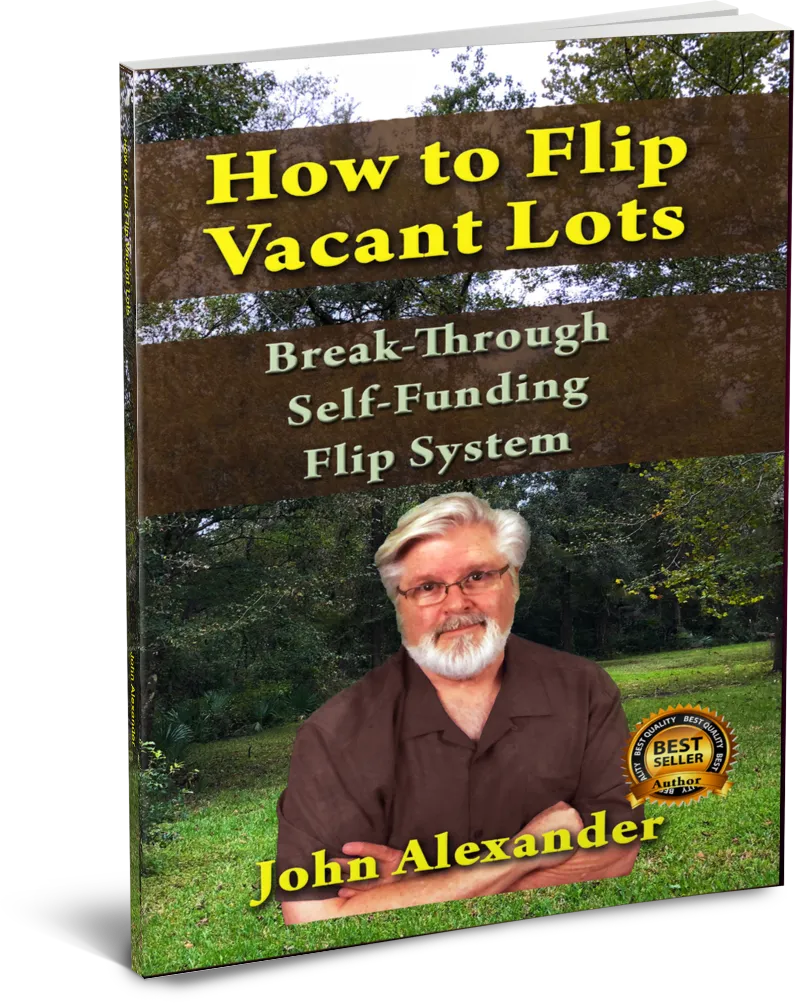
John Alexander, with over 40 years of experience in land investing and having trained more than 100,000 students since 1993, has developed revolutionary approaches to land flipping that minimize risk while maximizing returns. His proven methodologies demonstrate how investors can buy land using creative financing techniques and sell land for substantial profits.
The key advantage of vacant land investment lies in its simplicity and lower barrier to entry. Unlike residential or commercial properties, raw land requires no tenant management, property maintenance, or complex renovations. This makes it an ideal starting point for new investors or a valuable addition to seasoned portfolios.
Essential Strategies for Successful Land Flipping
Land flipping requires specific strategies that differ from traditional real estate flipping. The most successful land investors focus on identifying undervalued properties, understanding market dynamics, and implementing efficient acquisition and disposal processes.
Market research forms the foundation of profitable land investing. Successful investors analyze local development patterns, zoning regulations, and future growth projections to identify areas where vacant land values are likely to increase. This research helps determine which properties to target and at what price points.
Due diligence becomes crucial when you buy land for investment purposes. Unlike improved properties, vacant land requires careful investigation of factors such as access rights, utilities availability, soil conditions, and potential environmental concerns. These factors significantly impact both the land's current value and its future development potential.
Location Analysis and Market Selection
Choosing the right markets represents a critical success factor in land investing. Growth markets with expanding populations, job creation, and infrastructure development typically offer the best opportunities for land appreciation. These areas often feature increasing demand for residential and commercial development.
Proximity to urban centers, major highways, and planned developments can dramatically influence vacant land values. Investors should focus on areas experiencing demographic shifts, such as retirement destinations or emerging tech hubs, where land demand continues growing.
No-Money-Down Land Investing Techniques
One of the most attractive aspects of land investing is the ability to acquire properties with minimal upfront capital. Creative financing strategies allow investors to buy land without traditional bank loans or large cash investments.
Owner financing represents the most common no-money-down approach in land investing. Many land owners, particularly those who have owned vacant land for extended periods, are willing to accept monthly payments rather than waiting for cash buyers. This arrangement benefits both parties by providing sellers with steady income streams and buyers with accessible entry points.
The Inverse Purchase method, a proprietary technique developed through decades of land investing experience, allows investors to structure deals where the property essentially pays for itself through strategic resale arrangements. This approach minimizes investor risk while maximizing profit potential.
Contract assignments provide another avenue for no-money-down land flipping. Investors can secure properties under contract and then assign those contracts to other buyers for assignment fees, generating profits without ever taking title to the land.
Self-Funding Flip Strategies
Self-Funding Flip techniques enable investors to use the land itself as collateral for financing its own purchase. These advanced strategies require thorough market knowledge and strong negotiation skills but can produce exceptional returns with minimal capital requirements.
By structuring deals where initial payments come from pre-arranged sales agreements or development contracts, investors can effectively eliminate their financial risk while maintaining profit potential. This approach requires careful timing and market understanding but offers substantial rewards for skilled practitioners.
The Land Acquisition Process: Finding and Evaluating Opportunities
Successful land investing begins with systematic property identification and evaluation processes. The most profitable investors develop consistent systems for finding undervalued vacant land and quickly assessing its investment potential.
Direct mail campaigns targeting specific property types or owner demographics can generate consistent deal flow. By focusing on absentee owners, inherited properties, or long-term holdings, investors can identify motivated sellers who may accept favorable terms.
Online platforms and public records provide valuable resources for identifying potential acquisitions. Tax records, foreclosure listings, and property databases offer insights into ownership patterns and potential opportunities that many investors overlook.
Networking with real estate professionals, including agents specializing in land sales, attorneys, and surveyors, creates additional deal sources. These professionals often learn about opportunities before they reach the general market.
Property Evaluation Criteria
Effective land investing requires systematic evaluation criteria that quickly identify promising opportunities while avoiding potential problems. Key factors include accessibility, utilities, zoning, and development potential.
Legal access represents a fundamental requirement for valuable vacant land. Properties without legal access rights face significant limitations on their use and marketability. Investors must verify easement rights, road access, and any restrictions that might limit property use.
Utility availability dramatically influences vacant land values and marketability. Properties with existing water, sewer, and electrical connections typically command premium prices and sell more quickly than those requiring utility extensions.
Marketing and Selling Land for Maximum Profits
The ability to sell land quickly and profitably distinguishes successful land investors from those who struggle with inventory management. Effective marketing strategies focus on identifying target buyers and presenting properties in ways that highlight their unique value propositions.
Online marketing has revolutionized land sales by expanding the potential buyer pool beyond local markets. Professional photography, detailed property descriptions, and virtual tours help buyers evaluate properties remotely, accelerating the sales process.
Understanding buyer motivations enables more effective marketing approaches. Recreational buyers seek different features than developers or future homebuilders. Tailoring marketing messages to specific buyer segments improves response rates and sales outcomes.
Flexible financing options can significantly expand the buyer pool for vacant land. Offering owner financing or lease-to-own arrangements attracts buyers who might not qualify for traditional bank loans, often resulting in premium sales prices.
Pricing Strategies for Optimal Returns
Accurate pricing balances maximum profit potential with reasonable sale timelines. Overpricing can result in extended holding periods that erode profitability, while underpricing leaves money on the table unnecessarily.
Comparative market analysis provides the foundation for pricing decisions. By analyzing recent sales of similar properties in the area, investors can establish realistic price ranges that attract buyers while maximizing returns.
Risk Management in Land Investing
While land investing offers numerous advantages, successful investors understand and manage the inherent risks associated with vacant land ownership. Proper risk management strategies protect capital and ensure long-term success.
Market timing risks affect all real estate investments, but land investors can mitigate these risks through diversification across different geographic markets and property types. By avoiding concentration in single markets or property categories, investors reduce exposure to local economic downturns.
Liquidity considerations require careful attention in land investing. Vacant land typically takes longer to sell than improved properties, so investors must maintain adequate cash reserves and avoid over-leveraging their portfolios.
Environmental and regulatory risks can significantly impact land values and development potential. Thorough due diligence processes should include environmental assessments and zoning verification to avoid costly surprises.
Building a Sustainable Land Investing Business
Long-term success in land investing requires treating it as a business rather than a hobby. Successful investors develop systematic processes, maintain detailed records, and continuously improve their skills and knowledge.
Building professional relationships with attorneys, surveyors, title companies, and real estate agents creates a support network that facilitates smoother transactions and provides access to off-market opportunities.
Continuous education ensures investors stay current with market trends, regulatory changes, and new opportunities. The land investing landscape evolves constantly, and successful investors adapt their strategies accordingly.
Scaling operations requires systematic approaches to deal evaluation, acquisition, and disposal. As portfolios grow, investors must develop efficient processes that maintain profitability while managing increased transaction volumes.
Advanced Land Investing Strategies
Experienced land investors can implement advanced strategies that generate higher returns and create multiple income streams. These techniques require deeper market knowledge but offer substantial profit potential for skilled practitioners.
Land development partnerships allow investors to participate in development projects without the capital requirements of solo development. By partnering with builders or developers, land investors can capture development profits while sharing risks and responsibilities.
Subdivision strategies involve purchasing larger tracts and dividing them into smaller, more marketable parcels. This approach can multiply investment returns but requires thorough understanding of zoning regulations and approval processes.
Long-term holding strategies focus on properties in the path of development where patient investors can capture significant appreciation over time. These investments require careful market analysis and adequate capitalization for extended holding periods.
Start Your Land Investing Journey Today
Land investing offers exceptional opportunities for building wealth through strategic acquisition and disposition of vacant land properties. With proper education and proven systems, investors can generate substantial returns while building sustainable businesses.
The key to success lies in learning from experienced professionals who have developed proven methodologies through decades of practice. John Alexander's 40+ years of experience and track record of training over 100,000 students since 1993 provides the foundation for mastering advanced land investing strategies.
Whether you're seeking to supplement your income through part-time land flipping or building a full-time land investing business, comprehensive education and proven systems provide the foundation for success. The Land Mogul Mastermind program offers the training, support, and community needed to master these powerful wealth-building strategies.
Take the first step toward financial freedom through land investing. Learn the proven techniques, no-money-down strategies, and advanced methods that have helped thousands of students achieve their investment goals and build lasting wealth through vacant land investments.
